



A digital credential wallet can look simple from the user’s perspective: the government issues a document, the person stores it on their phone, and presents it when needed.
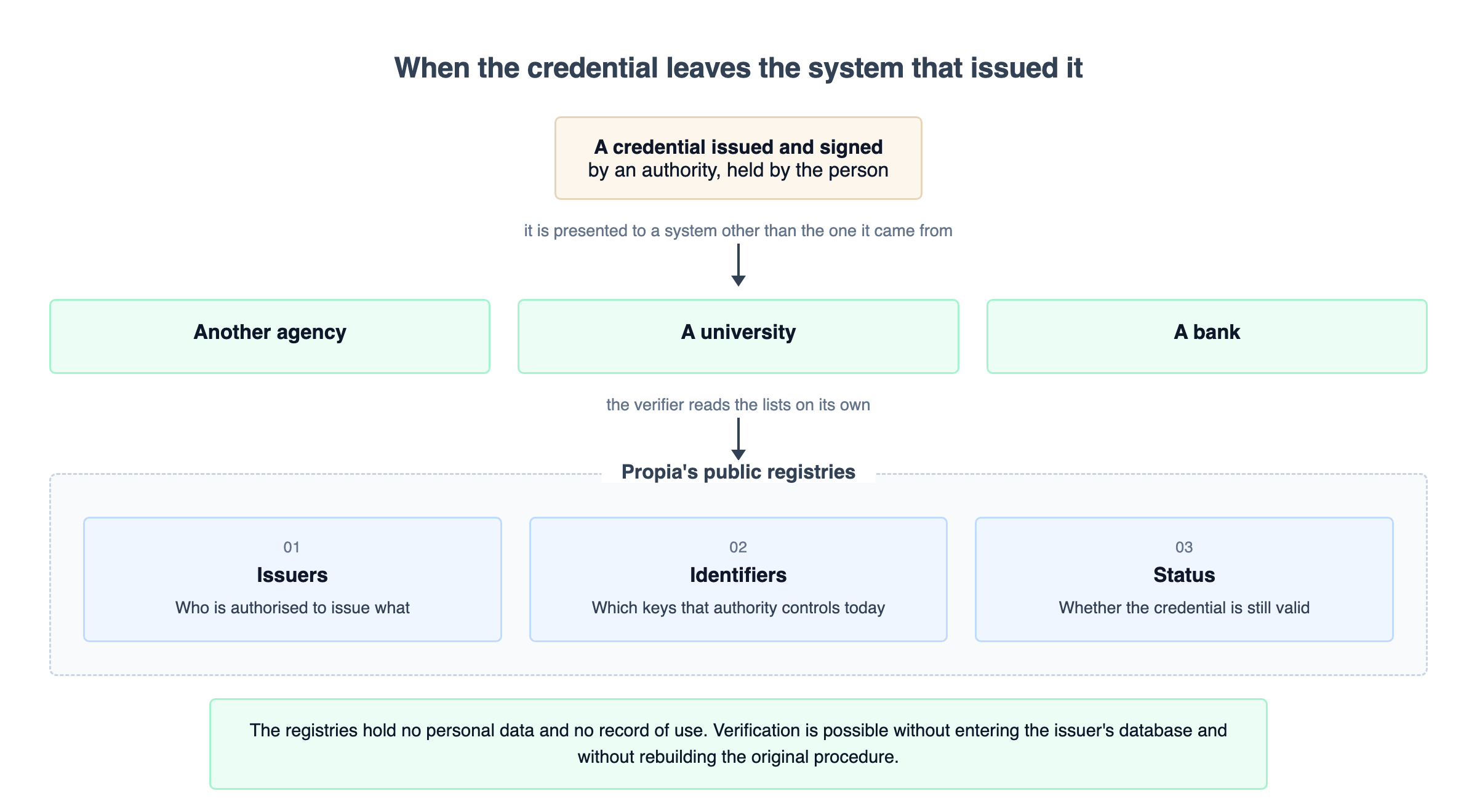
But behind that simple interaction is a complex infrastructure. Once a credential leaves the system that issued it, another government agency, bank, or university needs to be able to recognize who issued it, verify that it is authentic, and check that it is still valid.
That is the circuit we operate at Sovra. SovraID issues verifiable credentials. SovraWallet lets people store and present them. SovraGov manages the procedures that produce them. And Propia, built with LambdaClass and Aligned, provides a public trust layer so that credentials can be recognized across systems, without exposing personal data or recording their use. All of this is supported by SovraChain.
In Nuevo León, this is already in production. NLínea allows people to carry official documents on their phones and present them as digital credentials, within a state ecosystem with more than 700 procedures and services.
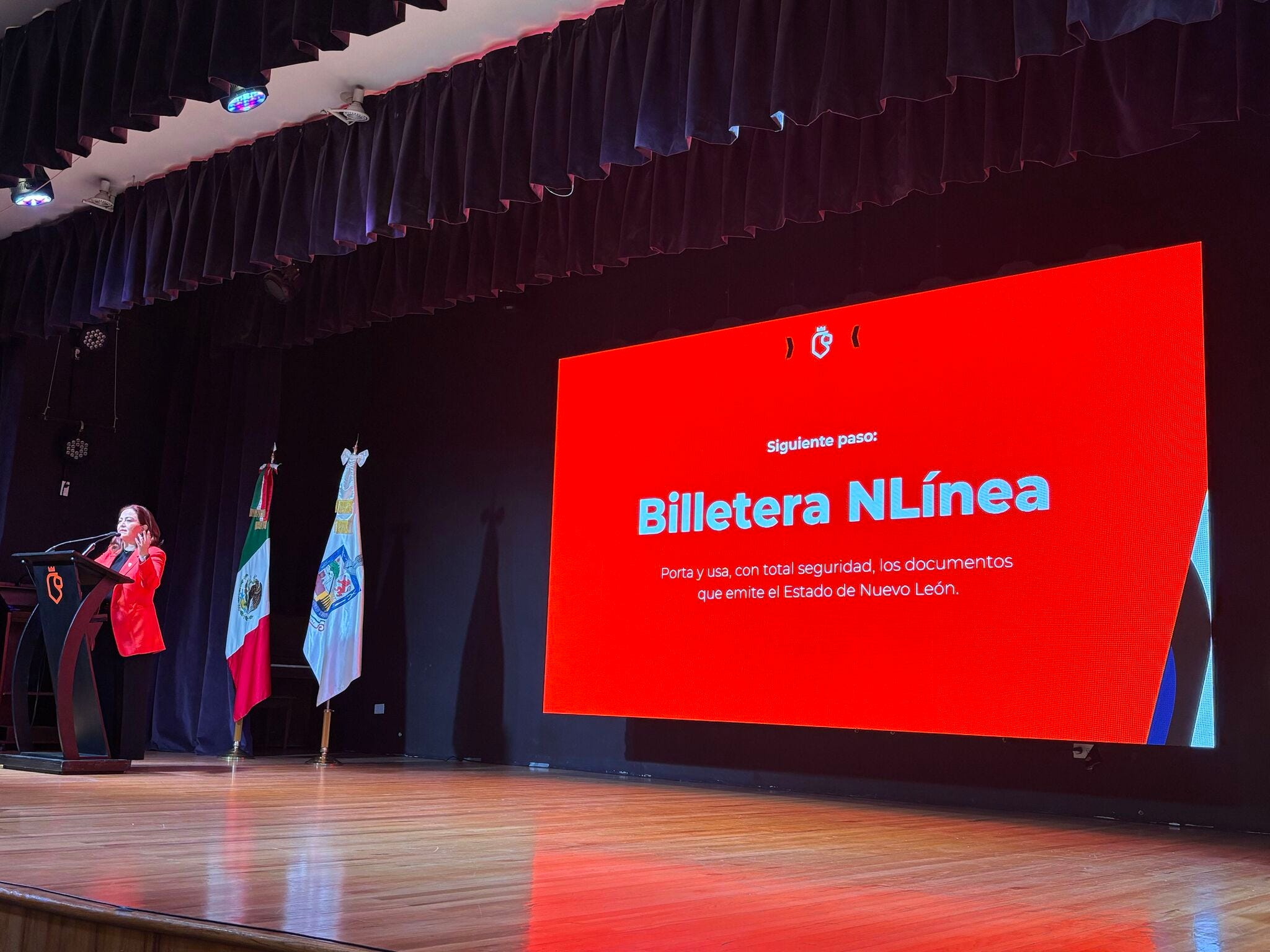
The wallet integrates with NLínea’s Expediente Único, allowing documents such as birth certificates, permits, and contracts to move from a government procedure into a format the person can keep on their device. The document no longer stays only inside the digital service window: it also stays with the citizen.
What Changes After Issuance
The first step is getting documents into the wallet. The next is making sure they remain useful outside it.
In Nuevo León, the starting point is the documents already contained in Expediente Único. As new documents and new verification points are added, the same credential can be used across more procedures and services.
This also changes how integrations work. Instead of every agency having to reconstruct the document or query the system that originally issued it, the credential can carry the information needed to be verified. For this to work across different systems, Propia provides the public registries needed to recognize authorities, keys, and credential status.
The Launch Is the Beginning
Having NLínea in production marks a concrete change: official documents can reach a person’s phone and be presented from there.
The next step is for those documents to be accepted in more places, without requiring people to return to the original government procedure every time they need to prove something.
That is why deploying a wallet is not measured only by how many documents it can store. It also depends on how far those documents can travel once they are in the hands of the person.
Keep the Conversation Going
If your institution is working on modular service architectures, get in touch.
Concepts explained in simple language: sovra.io/knowledge.
Subscribe to The Identity Brief, published weekly.