



Digitalization does not always mean simplification. In many cases, governments have digitized bureaucracy without actually making citizens’ lives easier. More platforms, more passwords, more PDFs to find and upload. The promise of digital government often falls short when it is designed from the State inward rather than from the real needs of people.
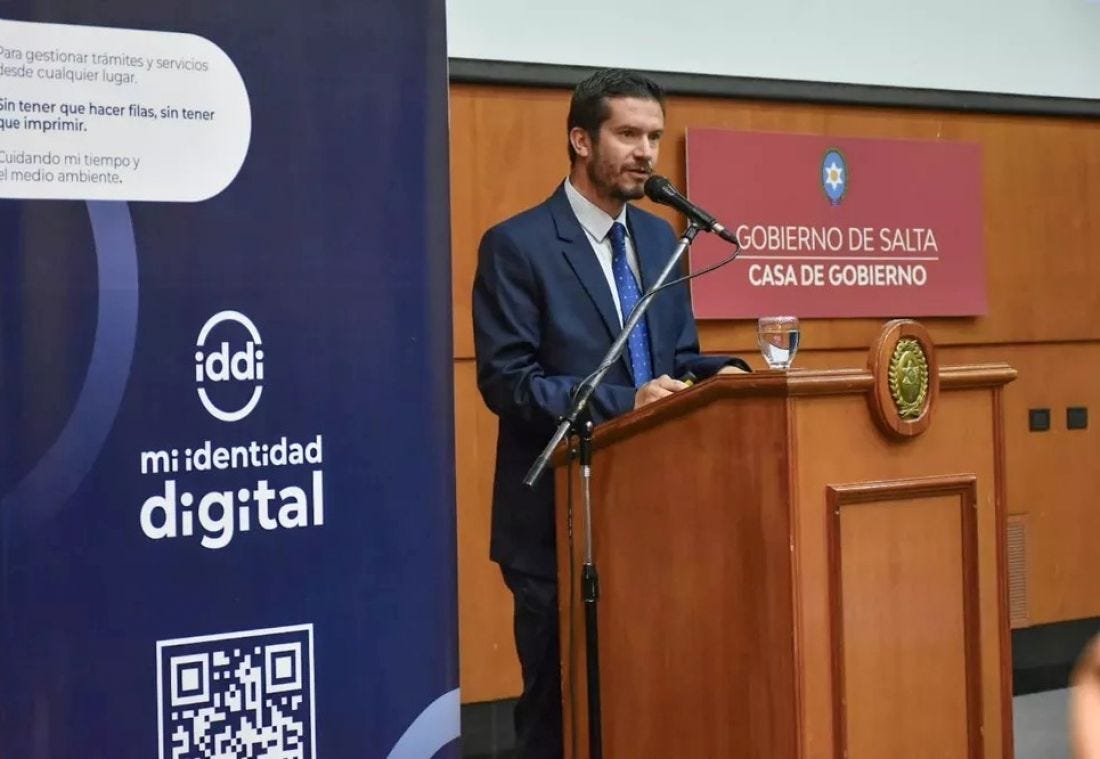
In this episode of Sovra Podcast, Lucas Jolías speaks with Martín Güemes, Secretary of Modernization of the Province of Salta in Argentina and one of the pioneers of decentralized identity implementation in Latin America. With a practical perspective grounded in managing a province where some towns require nine hours of driving to reach — or can only be accessed by plane or through Bolivia — Martín explains why digital identity is not just a technological policy but a development policy.
What you will hear
The pandemic as an accelerator: How a crisis forced Salta to build digital services from scratch, including telemedicine, vaccination logistics, and a health recommendations app — all while the strategic plan had to wait.
The reality of geographical complexity: Salta has jungles, deserts, green valleys, and towns where rivers rise in summer and cut off access. Technology must reach everyone, or it widens gaps instead of closing them.
The premise of “everything in one place”: Why citizens should be able to access health records, tax services, education platforms, and property procedures through a single digital identity — not 10 different passwords.
Why digitalization often complicates instead of simplifying: The honest admission that the public sector has sometimes made things worse by digitizing bureaucracy without rethinking it.
IDDI and Sovra as foundational tools: How Salta became one of the first provinces to implement decentralized identity and verifiable credentials, allowing citizens to carry their documents digitally and reuse them across procedures.
The vision for interoperability: Dreams of a future where a credential issued in Salta could be used to access credit in another province, register as a supplier across jurisdictions, or even export to another country.
AI agents for public administration: The goal of incorporating artificial intelligence into the electronic file system to reduce resolution times by 50 percent.
Why continuity matters: The warning that four or eight year gaps in technology policy feel like an eternity, and why digital transformation needs to become a State policy, not just a government initiative.
💬 “Bureaucracy was stealing time from citizens. Digital identity gives it back.”
💬 “Tomorrow is not one more day. It is one less day.”
💬 “We have digitized bureaucracy, not simplified it. That needs to change.”
About the guest
Martín Güemes is the Secretary of Modernization of the Province of Salta, Argentina. He previously served as Secretary of Modernization for the City of Salta, giving him experience at both municipal and provincial levels of government.
Martín has been a pioneer in implementing decentralized identity and verifiable credentials in Argentina and Latin America. Under his leadership, Salta became one of the first provinces to adopt digital identity, building infrastructure that allows citizens to interact with government without appointments, lines, or nine-hour trips.
His approach combines technical rigor with a clear focus on citizen experience: technology should close gaps, not widen them. He is currently working on integrating artificial intelligence into public administration processes and expanding digital identity adoption across all government services in the province.
The technology behind IDDI: Sovra in production
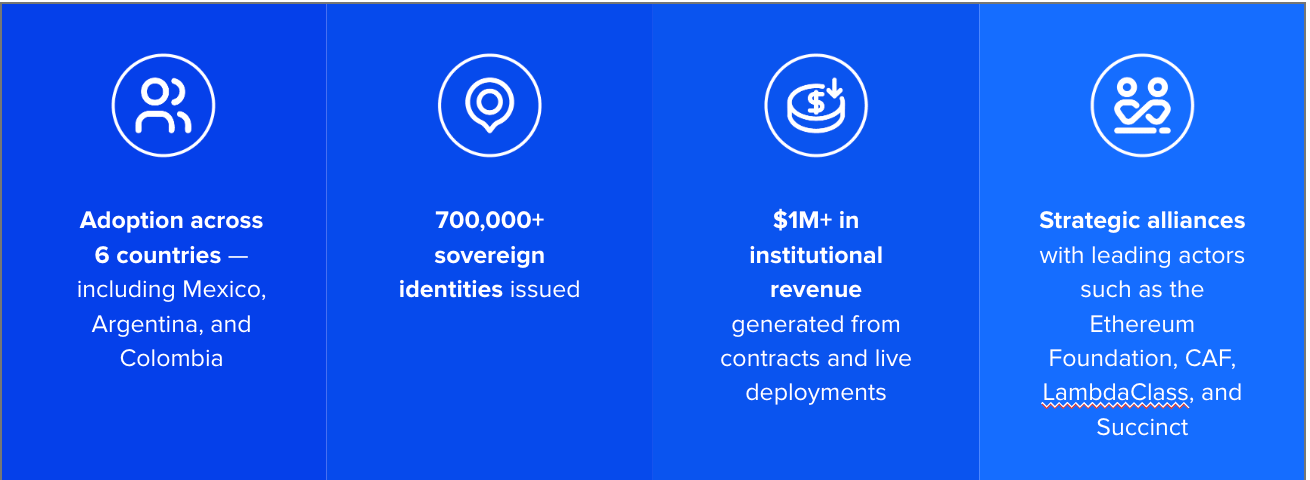
The digital identity platform Martín discusses in this episode — IDDI (Mi Identidad Digital) — is powered by SovraGov, Sovra’s government-focused solution for issuing verifiable credentials and transforming public services.
What started as a vision is now infrastructure in production:
One concrete example: Salta digitized the alcohol sales licensing process using IDDI as the verification layer. Merchants manage permits digitally, with each request tied to a validated identity. Since implementation: 2,600 applications submitted, 1,840 licenses issued — showing high adoption and process effectiveness.