



2025 was a foundational year for Sovra.
In this blog, we share a recap of our first year as a company, a period in which we began to consolidate Sovra as digital identity infrastructure for governments, public institutions, and ecosystems across Latin America.
The year was defined by real world deployments of the Digital Identity Stack in the public sector, high level technical partnerships, and active participation in key debates around digital identity, open standards, and public infrastructure.
Progress in the public sector
We drove implementations at different levels of government, integrating into platforms that are now part of everyday citizen life. In this first year, more than 6 million people gained the ability to interact with digital identity and verifiable credentials at state, provincial, and municipal scale.
In Nuevo León, Mexico, the NLínea platform supports a statewide digitalization strategy reaching more than 5 million residents. Built on Sovra infrastructure, more than 300 citizen and business procedures were digitized, incorporating decentralized digital identity and verifiable credentials.
The impact was tangible: a 30 percent reduction in administrative requirements and procedures completed up to 80 percent faster, with international recognition at ETH Denver 2025 and the OECD Award.
In Argentina, deployments took place at both provincial and municipal levels.
In Salta, the IDDI digital identity infrastructure supports everyday use cases related to citizen identity, licenses, permits, and regulatory control. More than 3,800 citizens already use their digital identity, and over 1,700 procedures are live in production.
In Luján de Cuyo, Sovra is part of Mi Luján Digital, a municipal one stop platform serving more than 25,000 unique digital citizens, with over 16,000 procedures completed in one year and more than 60 services available 24/7.
In San Miguel, a municipality of approximately 350,000 residents, public procedures are digitized through a unified platform built on SovraGov, with digital identity as a cross cutting access layer for municipal services.
All implementations are based on open standards, with a focus on interoperability and citizen control over data.
The shared infrastructure is already in production. The next challenge is to deepen connections across jurisdictions.


The team: our competitive advantage
The key confirmation of the year was clear: the team is everything. We combine deep expertise in blockchain and digital identity with hands on knowledge of the public sector and GovTech. This unique blend allows us to align technical innovation with administrative processes, regulatory frameworks, and operational realities, creating solutions that are truly viable and sustainable.
During 2025, the Sovra team in Latin America grew by more than 200 percent. This growth supported the expansion of deployments across the region and strengthened our capacity for implementation, support, and close collaboration with governments and public institutions.
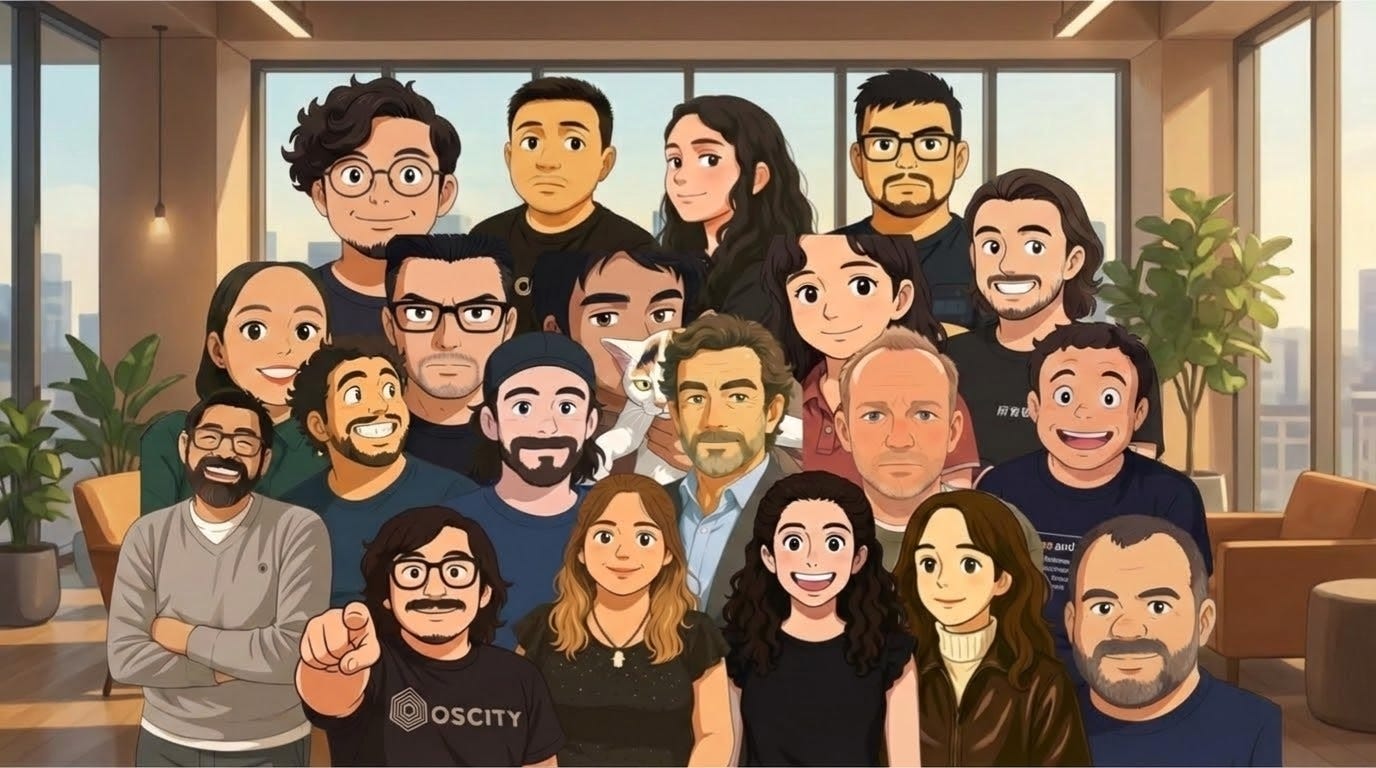
Nothing built this year would have been possible without the daily commitment of the team.
Thank you to everyone who was part of Sovra in 2025.
Partnerships that drive growth
With a clear strategy, we expanded capabilities to build interoperable infrastructure at regional scale. These collaborations added more than technology. They brought commitment, creativity, and a shared vision that accelerated everything we achieved.
We want to especially thank the teams at:
LambdaClass, for technical excellence in stack design, Sovra Chain planning, and Ethrex integration.
Aligned, for providing Rollup-as-a-Service infrastructure that enables SovraChain to scale with zero knowledge verification, preserving privacy, sovereignty, and efficiency for government use cases.
Claro Empresas, Datastar, América Virtual, Boldt, ThinkNet, Blockey, Insaiate y Growdata for their local expertise and dedication to implementation and adoption across Latin America.
POK, for opening together a promising path in verifiable educational credentials, essential for connecting education, employment, and public services.
Thank you to each of these teams for the trust, hard work, and shared passion. Without you, this first year would not have been so promising.
Leading the global and regional conversation
Throughout 2025, Sovra maintained a strong presence in international and regional forums, not only participating but also producing and sharing original knowledge that connects public institutions with the technical ecosystem.
As part of this effort, we published:
2 institutional reports: Digital Identity in Latin America and Connect Your Wallet: Towards a Citizen-Centric Digital Identity, focused on digital identity and its role in modern public services.
3 published episodes of the Sovra Podcast, featuring conversations with public sector leaders, technologists, and ecosystem builders.
Documented use cases from real deployments in Salta, Nuevo León, and Luján de Cuyo, grounding the narrative in production experience.
7 articles from the series The Architecture of Digital Trust, exploring identity, standards, interoperability, and public infrastructure.
A chapter published in Transformación Pública Digital en Latinoamérica Vol. III, contributing Sovra’s perspective to the regional discussion on digital public transformation.
In the events side, we began the year at ETH Denver, our first global presentation of Sovra’s institutional approach within the Ethereum ecosystem.
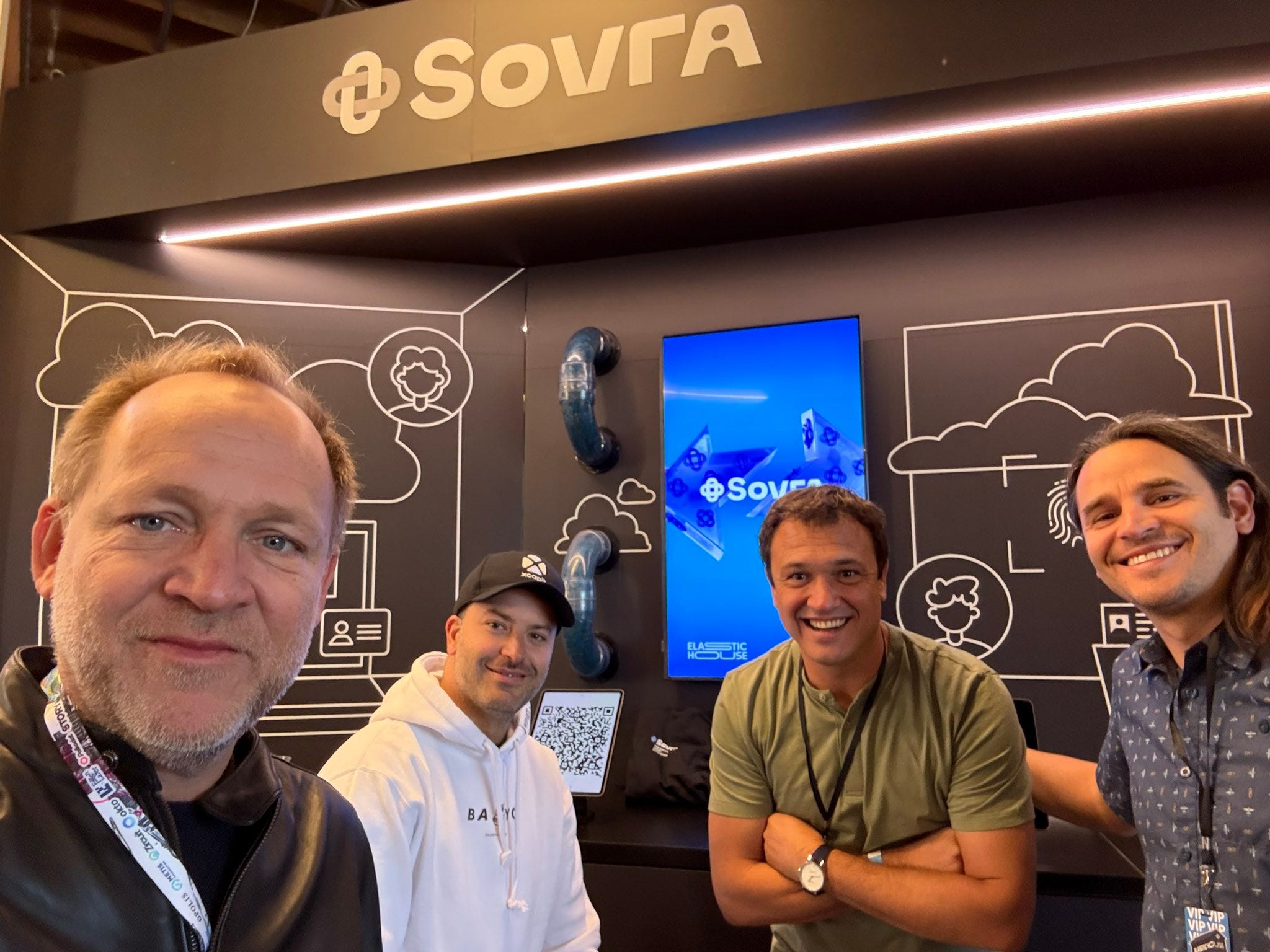
At ETHCC, we joined key conversations on the maturity of the Ethereum ecosystem and its path toward institutional adoption. Digital identity emerged as a central layer, with a focus on verifiable, interoperable, and user controlled credentials.
In this context, we participated in a talk with The Rollup and deepened technical exchanges with protocol teams, rollups, and partners such as LambdaClass and Aligned on modular identity, zero knowledge, and the evolution of SovraChain.


At Ethereum Mexico, we shared the stage with the Government of Nuevo León to showcase state scale digital identity implementations. Our cofounders joined state authorities on a panel discussing how Nuevo León is deploying decentralized digital identity for more than 5 million people through Sovra.
During the week, we also advanced dialogues with academic institutions such as Tecnológico de Monterrey and held working meetings with the Government of Nuevo León to define the next steps of the digital identity project.


During Devconnect Buenos Aires, we co organized the Gov3 Summit alongside ETH Kipu, LambdaClass, Geodework y CAF , the development bank of Latin America.
This event became a unique regional milestone, bringing together governments, multilateral organizations, universities, and leading technical teams to work collaboratively on interoperable digital identity, open standards, and digital public infrastructure.


At the regional level, we actively participated in Redes de Gobierno y Ciudades Inteligentes (Mendoza), NovaGob (Mexico) and Red GEALC, where SovraID was a finalist in the Credentials in Action challenge and was presented to government leaders from across the region in Guatemala.
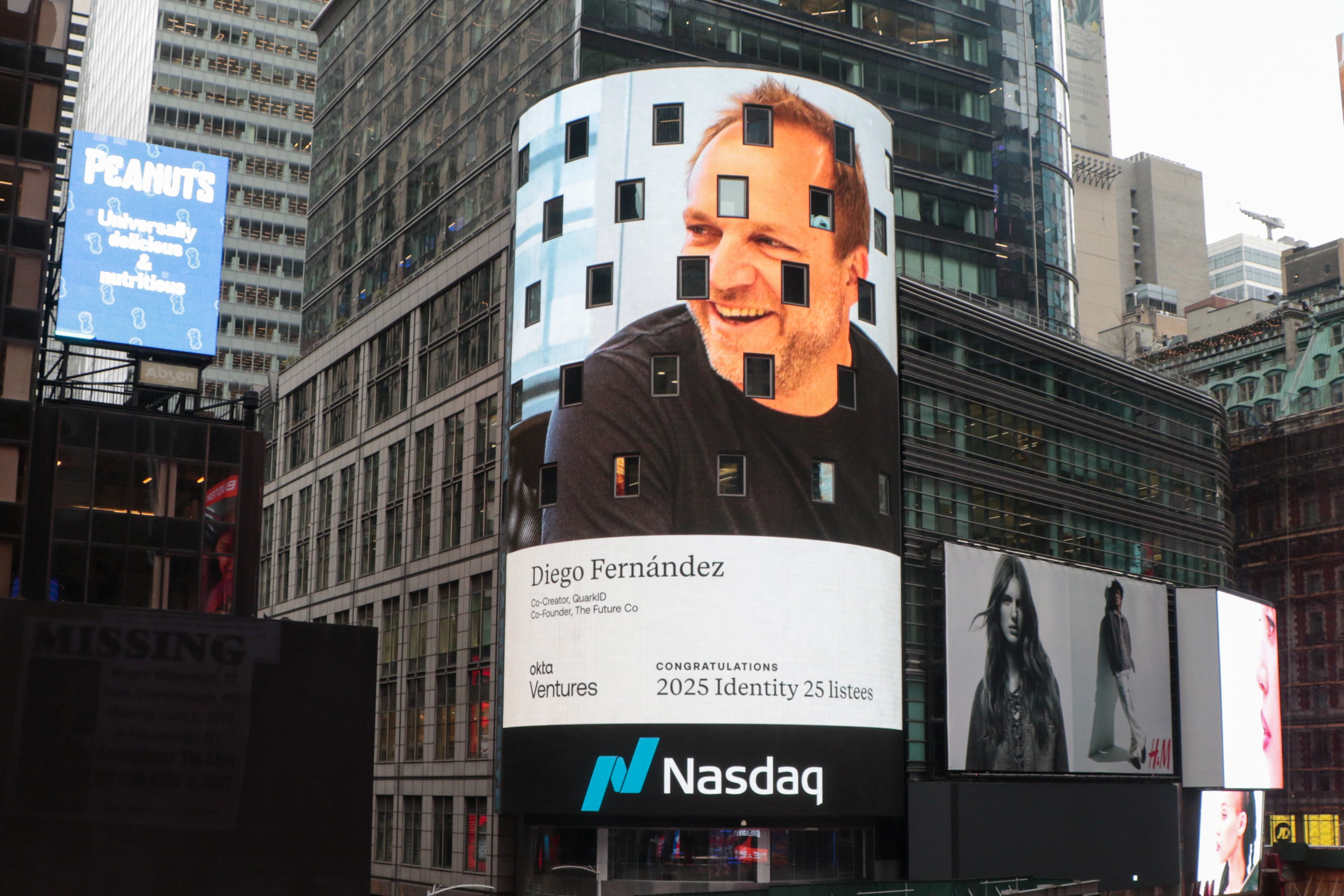
As a final highlight, the recognition of Diego Fernández at Okta Identity 25, with visibility on the Nasdaq Tower in Times Square, reinforced external validation of Sovra’s impact from Latin America.
A strong close and what comes next in 2026
Looking ahead, we will deepen what we have built: more public sector deployments, stronger connections across jurisdictions, and sustained progress toward regional interoperability.
The focus will remain on continuing to develop and deploy the different layers of the Sovra stack, while also publishing clearer technical and institutional material around how these components operate in production environments.
In the coming period, we will advance SovraChain as the scalability and verification base for public use cases, expand SovraID for credential issuance and verification in new institutional contexts, and strengthen SovraWallet as a tool that enables people to manage and prove their identity securely and autonomously.
In parallel, we plan to release new case studies, technical explainers, and institutional reports, documenting lessons learned from real deployments and outlining best practices for governments and public institutions.
This first year not only validates the direction we chose, it also lays the foundation for what comes next.
Thank you to all the people, teams, allies, and institutional partners who were part of this journey. The challenge now is to scale responsibly, so that sovereign digital identity becomes an operational standard across Latin America.